Start with light
Light is one of the strongest signals that the day has started. Open the curtains, switch on the main light, or use a lamp on a timer. Waking into a bright room is easier than waking in the dark.
Use sound that changes
Heavy sleepers tune out a familiar sound. A different or harsher tone, or one that gets louder, is harder to ignore than the same gentle chime every day. Calling their name usually works better than a general noise.
Time it with their sleep, not against it
Waking someone from deep sleep is hard and leaves them groggy. A steady bedtime and wake-up time, kept on weekends too, means their body starts surfacing on its own near alarm time.
Get them moving straight away
Sitting up is not the same as being awake. Ask them to stand, walk to another room or do something with their hands. A minute of movement does more than ten minutes of lying there with eyes open.
Give them an alarm they can't snooze
The goal is to stop needing someone else to do the waking. An alarm with no snooze button that only stops after a task hands the job back to the heavy sleeper.
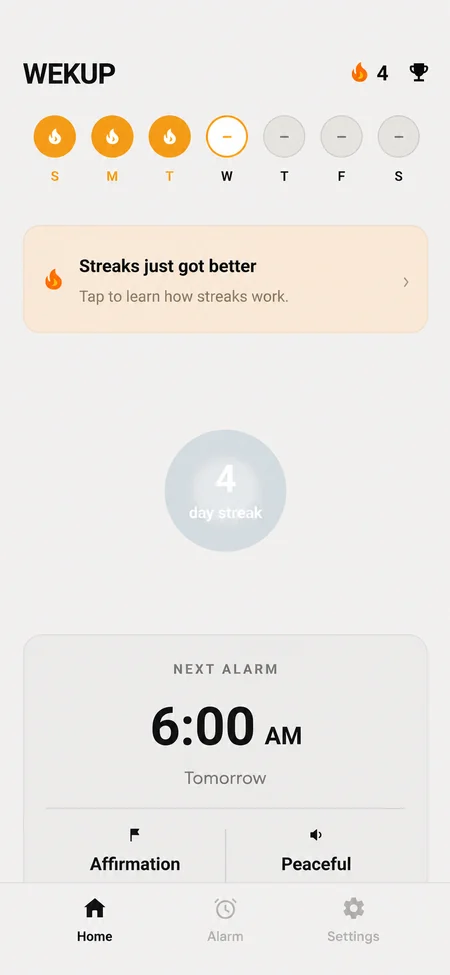
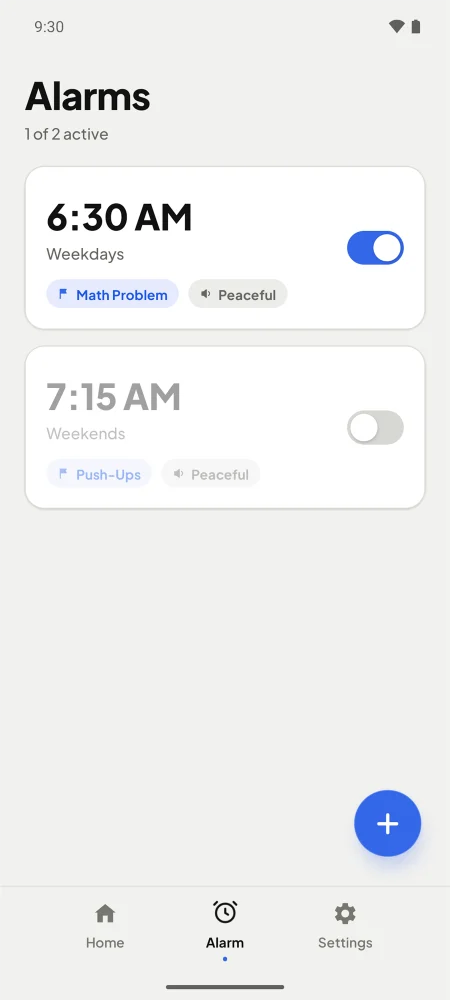
With Wekup, each alarm can have a mission: push-ups checked by the front camera, a photo of an item in another room, three math problems, or a Bible verse or affirmation read aloud. Pair it with a loud tone like Buzzer or Rooster for the hardest mornings.
What not to do
- Don't startle them with cold water or shouting. It makes mornings a fight and doesn't fix the habit.
- Don't let them stack ten alarms. It teaches them that the first nine don't count.
- Don't ignore exhaustion that doesn't improve with more sleep. That's worth a doctor's visit.
By the Wekup team · Updated November 16, 2026